Newer concrete can absolutely sink, even if the concrete slab was poured recently. We see uneven concrete show up on newer driveways and patios when the soil underneath hasn’t fully settled yet or starts shifting after construction. That catches a lot of people off guard because they expect new concrete to stay level for years. In reality, it’s the ground below the slab that determines how it holds up.
Concrete Lifting Services in Greeley, CO
Concrete Lifting That Fixes What’s Going On Under Your Slab
That section of concrete you keep noticing isn’t just an eyesore. It’s the part of your property that feels off every time you walk or drive over it. In Greeley, that usually comes back to the soil underneath, shifting, shrinking, and leaving empty space where support used to be beneath the concrete slab. Once that support gives way, the concrete above it has nowhere to go but down.
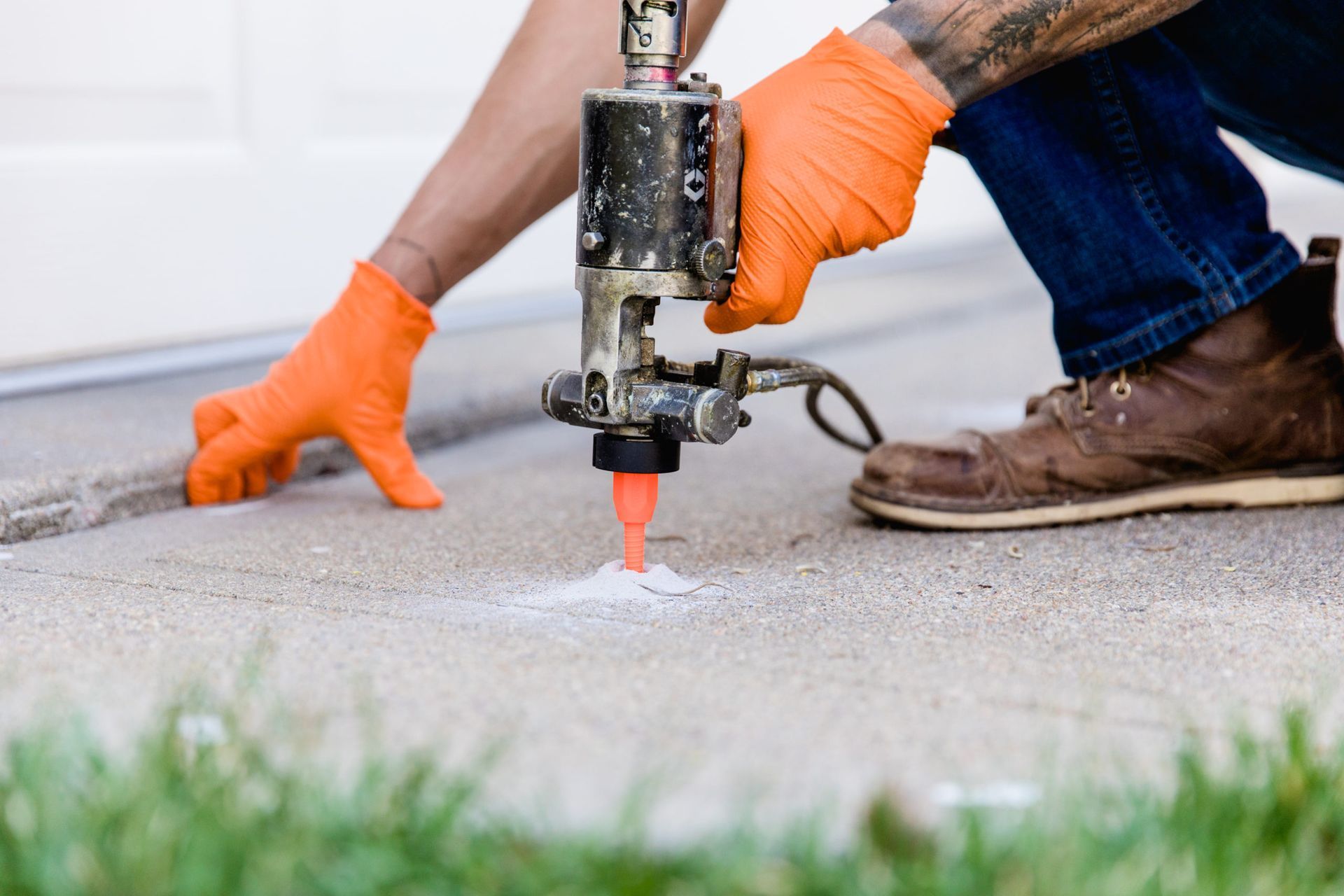
Concrete lifting services correct that by addressing what’s happening below the surface, not just what you see on top. Instead of tearing out a perfectly good slab, our team at Rapid Raise & Sprays lifts the concrete back into place using polyurethane foam that fills the gaps and stabilizes the ground beneath. It’s a straightforward way to get your concrete surfaces back where they belong without turning it into a full replacement project.
Why Concrete Starts Sinking Around Greeley Properties
Concrete doesn’t usually fail on its own. What changes is the ground it sits on. Northern Colorado soil, especially the clay-heavy mix around Greeley, expands when it takes on moisture and shrinks when it dries out. That movement creates gaps under the slab, and once those gaps form, the concrete begins to settle unevenly.
The signs tend to show up gradually, which is why they’re easy to ignore at first. You might notice water collecting where it never used to, small cracks getting wider, or sections of uneven concrete creating a trip hazard. By the time it becomes part of your daily routine, the support underneath has already shifted more than most people expect. Concrete lifting rebuilds that support so the slab can return to a stable, usable position.
Our Concrete Lifting Services
We offer a full range of concrete raising and repair services for residential and commercial properties across Northern Colorado. From a single sunken panel to a larger commercial surface, we assess your property honestly and recommend the right path forward.
That experience matters because it's taught us how to identify issues and fix them. Ultimately, our goal is always to restore support underneath the slab, but how that’s done depends on what caused it to move and how that movement is affecting the surrounding concrete surfaces. Here is a look at our polyurethane foam concrete lifting services:
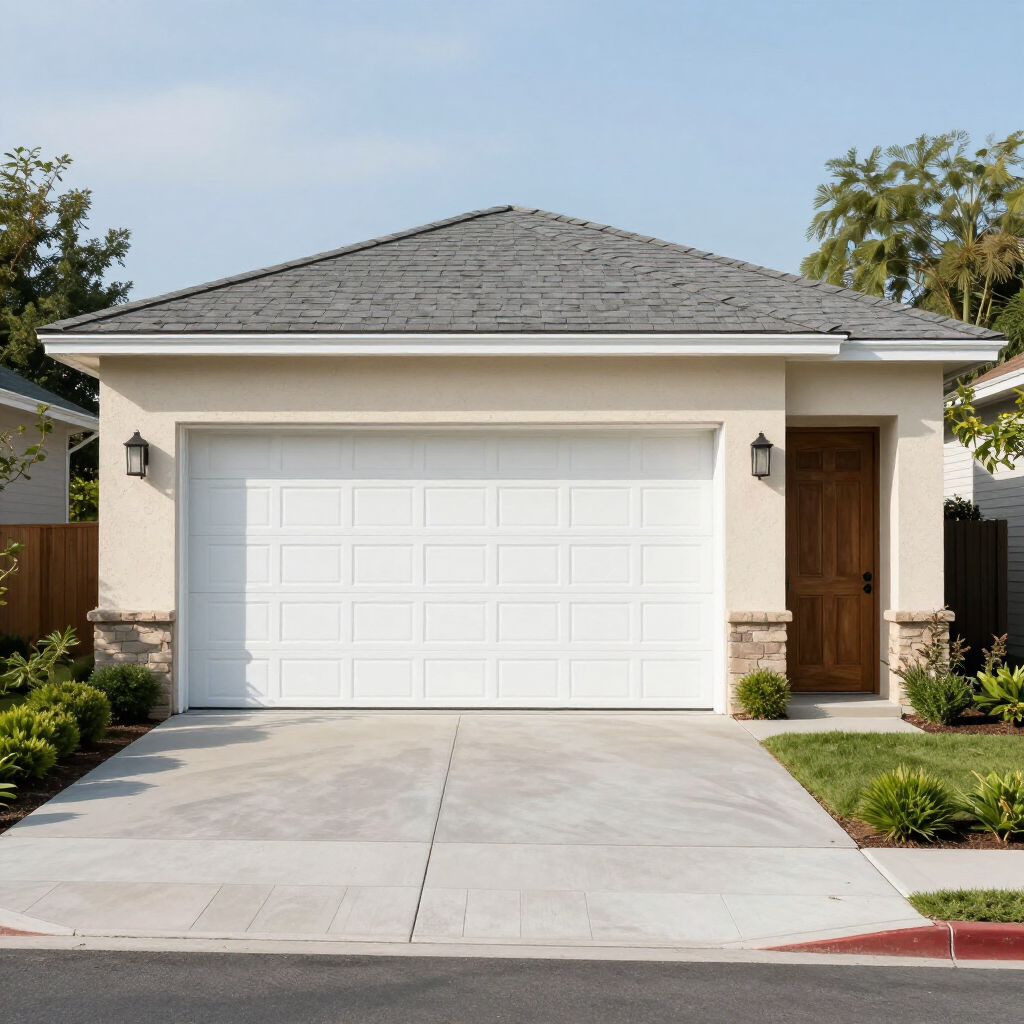
Driveways usually settle where the weight is most consistent or where water works its way along the edges. That combination creates uneven pressure points, which is why you often see one section dip while the rest stays in place. It also explains why the problem tends to recur in the same areas rather than spread evenly across the concrete slab.
When we lift concrete in a driveway, the focus is on how the slab will carry weight once it’s back in place. We rebuild the base underneath it so that the load is supported evenly again, not just lifted to match the surrounding surface. The foam expands into those voids, allowing us to bring the slab up gradually while checking alignment as it moves. That control matters because a driveway needs to feel consistent under repeated use, not just look level.
Driveway Leveling
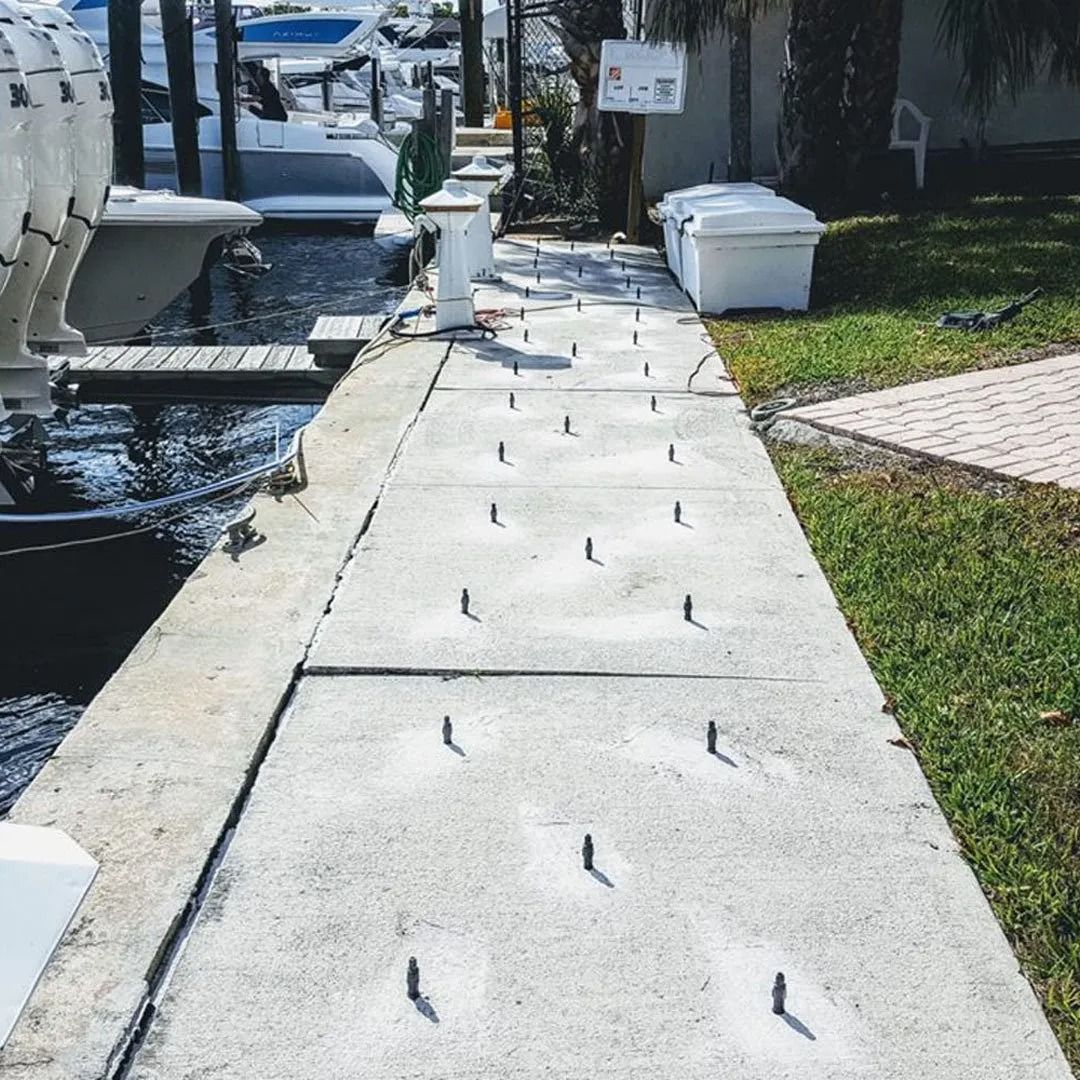
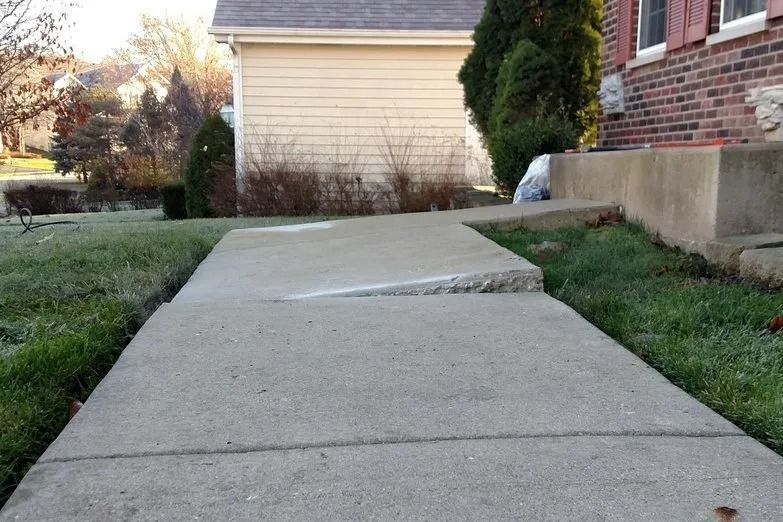
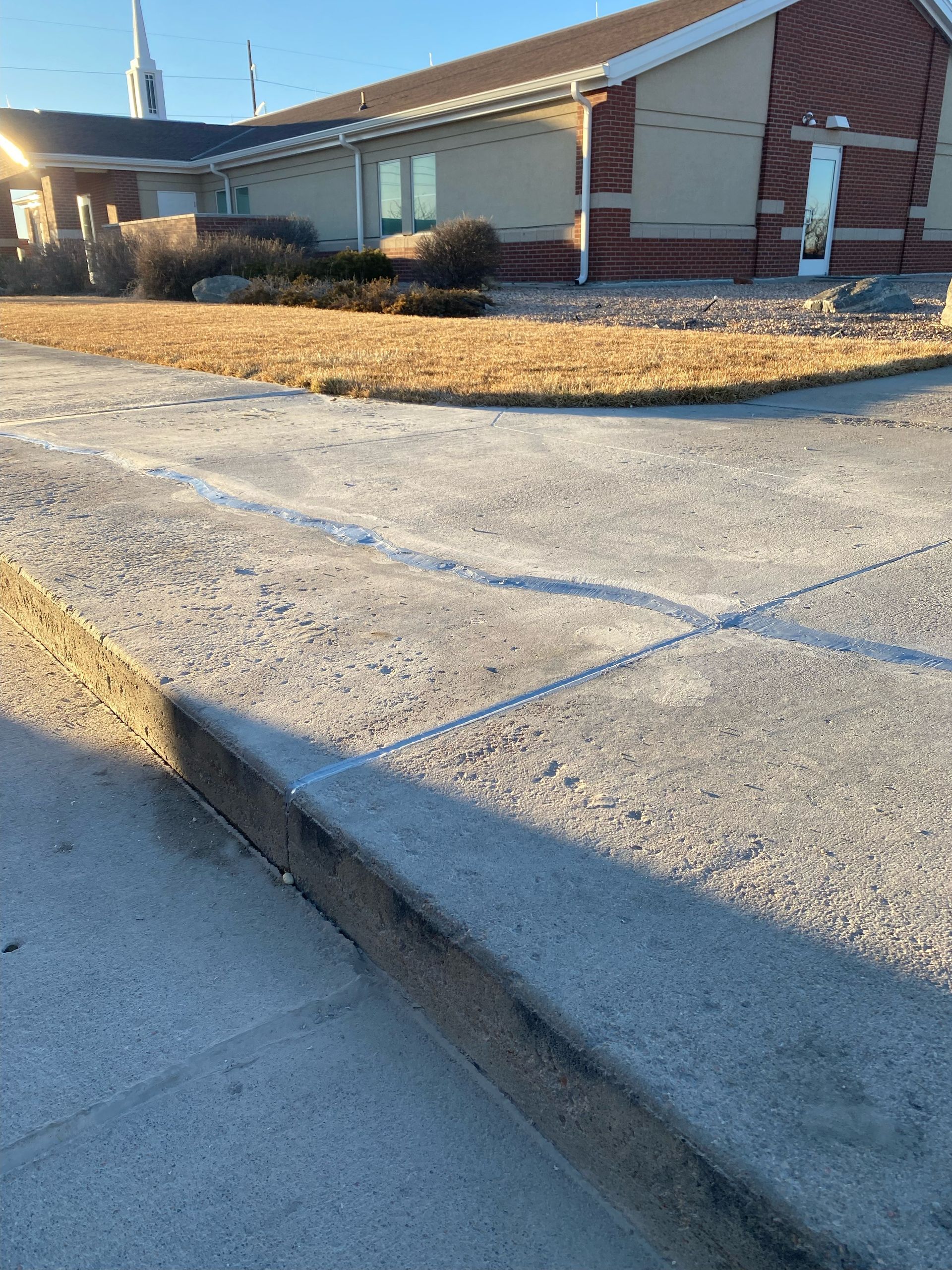
Sidewalks and walkways don’t need much movement to become a problem. A small shift can create just enough height difference to catch a foot, especially in areas you walk every day. That’s usually when uneven concrete stops being something you just notice and starts being something you actively avoid.
We approach these lifts with the transition between slabs in mind. Instead of grinding down high points, we bring the lower section up so the walking surface remains intact. That keeps the slab stronger and avoids creating thinner edges that can break down later. The result is a walkway that feels natural underfoot again, not something you have to think about every time you cross it.
Sidewalk and Walkway Leveling

Patios tend to show issues through drainage first. A slight change in slope is enough to cause water to collect where it shouldn’t, and once that starts happening, the space never quite feels right. It’s less about visible damage and more about how the surface behaves after rain or irrigation.
We lift concrete in patio areas with drainage in mind, not just height. That means restoring the original pitch, so water moves away from the surface and doesn’t sit against the home or in low spots. At the same time, we stabilize the soil underneath to help prevent the same pattern from returning. It’s a subtle correction, but it changes how the space functions day-to-day.
Patio and Pool Deck Leveling
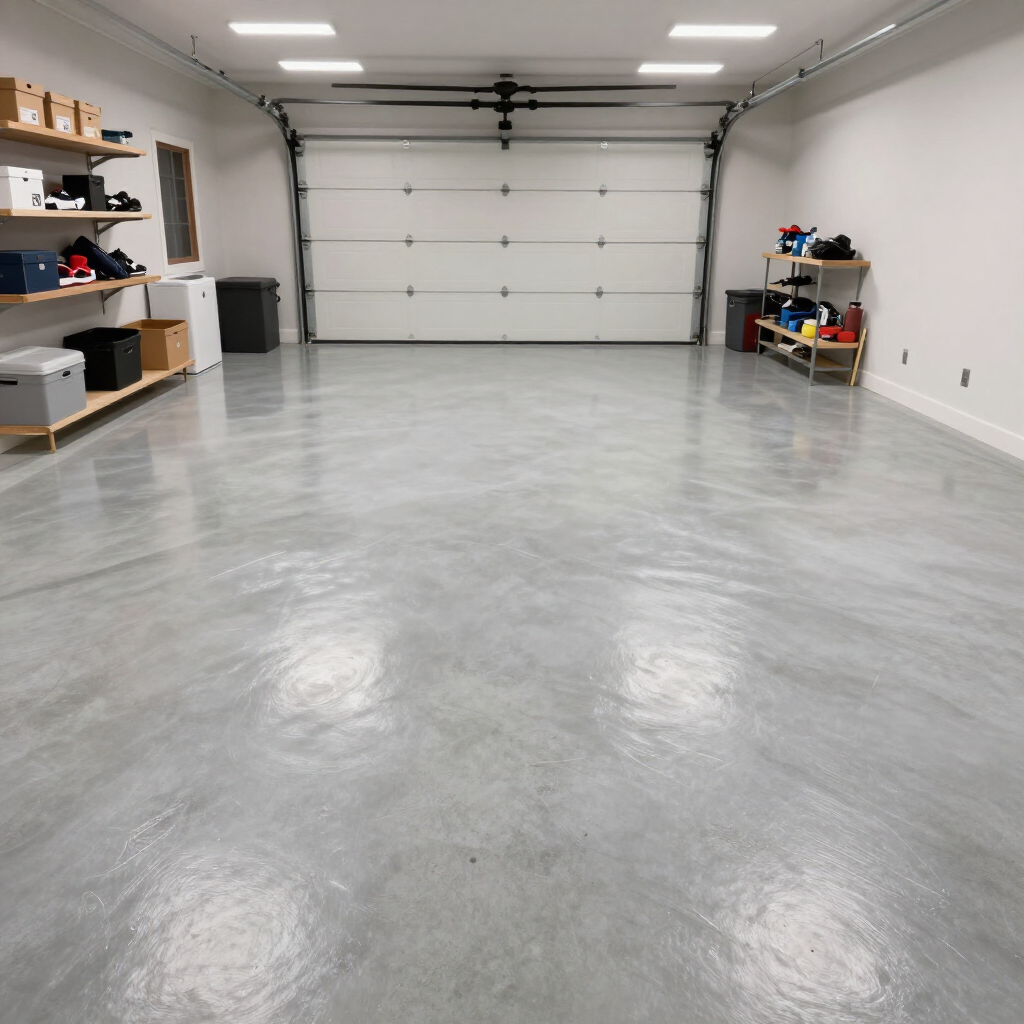
Garage slabs often settle toward the door or along one side, which changes how water drains and how the space feels under load. It’s not always obvious at first, but you start noticing it when items don’t sit flat or when water tracks in and doesn’t move out the way it should.
We lift the concrete slab back into position evenly, so it works with the rest of the structure again. In these cases, precision matters because the slab often meets walls, door frames, or other fixed points that don’t move with it. We bring it up in small increments, checking how it sits as it moves so it doesn’t create pressure where it shouldn’t. Once it’s level again, the garage will feel stable.
Garage Floor Leveling
Concrete Lifting for Other Areas Around Your Property
Some of the most common issues show up in smaller areas, such as steps, side slabs, or detached sections that have shifted on their own. These don’t always get immediate attention, but they tend to stand out once they start affecting how you move through the property. They’re also the kinds of areas where a clear yes-or-no decision matters, because not every slab is a good candidate for lifting.
Lifting works well here as long as the concrete is structurally intact. In practical terms, that means the slab is still in one piece, has not broken into loose sections, and is not crumbling badly at the edges or across the surface. If the concrete has deteriorated to the point where it can no longer hold together under pressure, lifting is not the right call.
When the slab is still sound, though, restoring the base beneath it is often enough to bring it back into place without full concrete replacement or more extensive concrete repair.
How Our Polyurethane Foam Concrete
Lifting Process Works
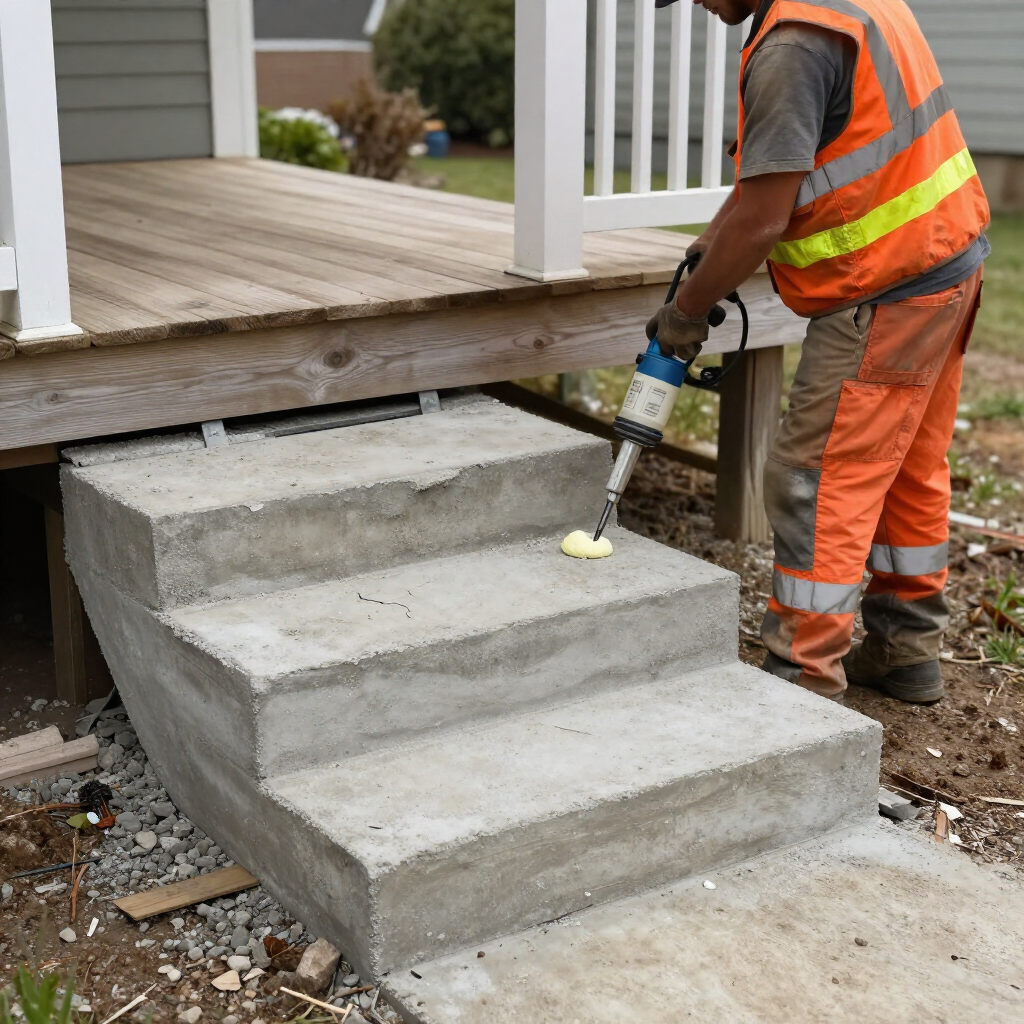
The process is simple on the surface, but the control behind it is what determines how well the result holds. We’re not just injecting polyurethane foam and hoping it lifts evenly. Every adjustment is made based on how the slab responds as pressure builds underneath it.
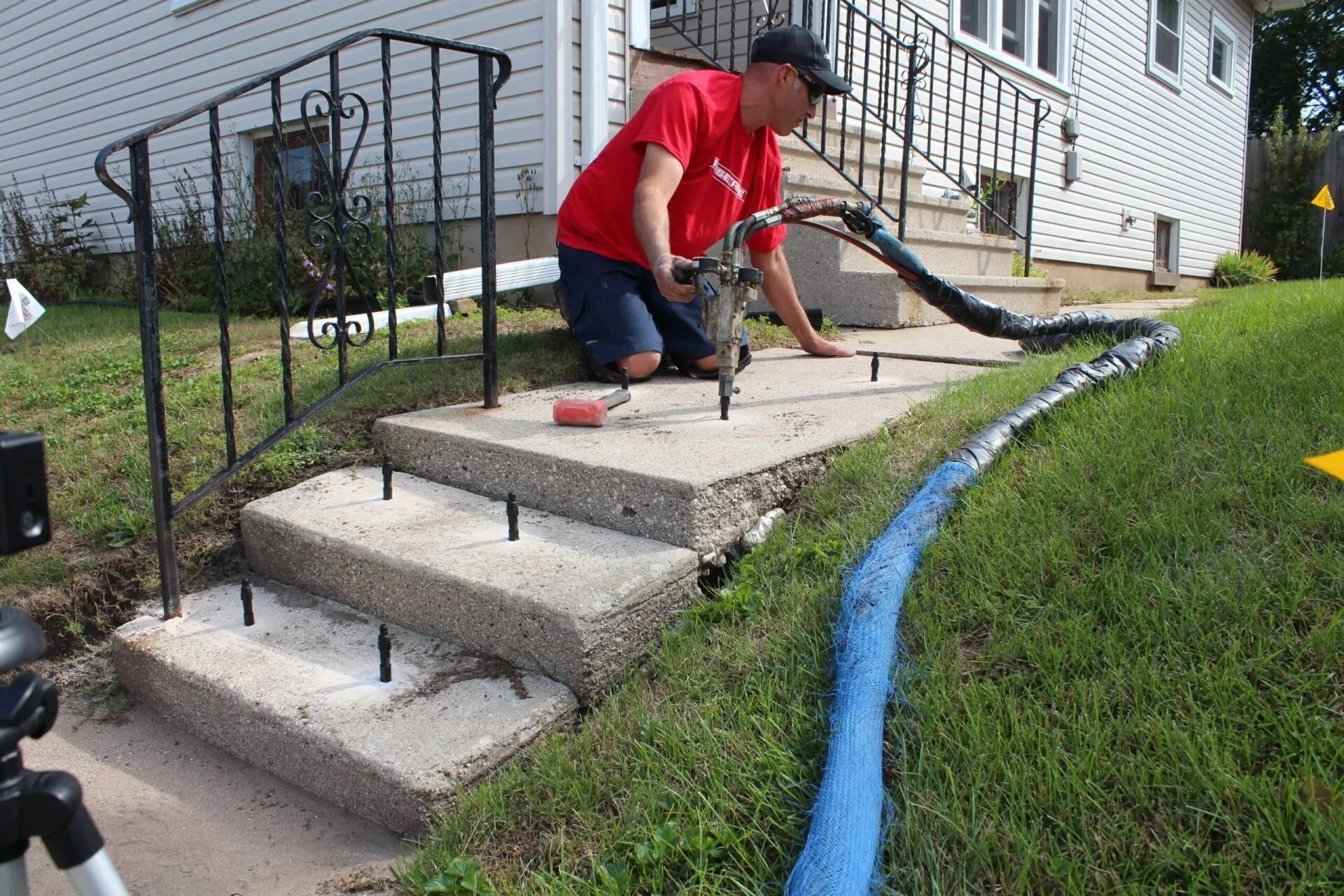
We drill small access holes into the slab, then inject polyurethane foam beneath it. As the foam expands, it fills empty space and begins applying upward pressure. From there, we guide the lift in real time, watching how each section responds and adjusting injection points and pressure as needed to keep everything aligned. We’re also checking how the slab meets adjacent sections, edges, and fixed reference points, so the lift finishes where it should, rather than simply going higher.
Once everything is back in place, the holes are patched, and the area is cleaned up. The foam cures quickly, so the slab is ready for use shortly after the work is done. Most jobs are completed the same day, which keeps disruption to a minimum. That speed helps, but the higher priority is ensuring the slab is properly supported before the job is considered finished.
Uneven concrete at your commercial property isn't something you can put off. It's a safety risk for your tenants, customers, and employees, and it's a liability that sits on you as the property owner.
With commercial concrete leveling, we get your slabs back where they should be, and we do it around your schedule so your business keeps running. We use the same polyurethane foam injection method we use on residential properties, scaled to handle larger areas and heavier loads.
Whether you manage an apartment complex, a strip mall, a hotel, or an agricultural operation with grain silos and pivot pads, we've handled projects like yours before.
Commercial Concrete Leveling
Concrete Leveling
Button
Concrete Leveling
ButtonWhy Concrete Lifting Makes Sense for Most Properties
Replacing concrete can make sense in certain situations, but it’s often more work than the problem actually requires. If the slab is still in one piece and hasn’t structurally broken down, lifting addresses the real issue without starting over. That is usually what makes it the better fit for settled slabs that still have life left in them.
It also avoids the mismatch that comes with new concrete next to old. More importantly, it stabilizes the ground underneath, so the same problem doesn’t keep coming back. In most cases, that’s what makes lifting the more practical approach compared to larger-scale concrete repair or replacement. When a slab is beyond that point, though, we’ll say so rather than forcing a repair that does not make sense.
Why Choose Rapid Raise & Sprays for Concrete Issues
When you’re dealing with sinking concrete, you want a clear answer more than anything else. You want to know what caused it, what it will take to fix it, and whether it actually needs to be fixed right now. That kind of straightforward guidance matters just as much as the lift itself.
Rapid Raise & Sprays is owner-operated, with Carter overseeing every project and his Colorado-based team handling the work on-site. The company was founded in 2020, and the many completed projects across Northern Colorado reflect Carter's hands-on experience with the same soil conditions, weather patterns, and concrete issues property owners here deal with all the time.
Our Service Areas
Areas We Serve
We provide concrete lifting services throughout Greeley and across Northern Colorado, working on both residential and commercial properties. Most of the issues we see are tied to the same soil conditions and weather patterns, which is why the work tends to look similar from one town to the next.
If you’re nearby and not sure if you’re within range, it’s worth reaching out. We’ll let you know what’s possible and how quickly we can take a look.
Frequently Asked Questions
You’ll see patched drill holes, but they’re small and far less noticeable than most people expect after polyurethane foam concrete lifting. We patch them once the job is done, and they tend to blend in rather than stand out. The goal is to lift concrete without leaving behind anything that looks like a major repair. For most homeowners, it’s a simple tradeoff compared to replacing the entire slab.
In many cases, we can lift concrete only in the section that’s settled, rather than the entire area. It depends on how the slabs connect and whether adjusting one section will leave the rest functioning properly. Sometimes a focused repair works perfectly; other times, it makes more sense to include nearby slabs for a smoother result. We’ll walk you through that so you understand what’s being recommended and why.
Yes, water is often part of what causes concrete issues in the first place. When moisture repeatedly moves through the soil, it can wash out support or keep the ground shifting under your concrete slab. That’s when you start to see uneven concrete develop or existing problems get worse. Addressing the lifting helps stabilize things, but it’s also worth paying attention to how water is moving around your property.
Usually, just the items sitting directly on or around the area where we’ll be working. That might include vehicles, patio furniture, or anything blocking access to the concrete repair services we’re performing. We don’t need a full site prep, but having the space cleared helps the job move efficiently. If there’s anything specific, we’ll let you know ahead of time so there are no surprises.
In many cases, yes. Concrete repair and lifting aren’t limited to one season, but ground conditions and weather can affect timing depending on the situation. Some jobs are easier to complete when conditions are more stable, while others can still be handled during colder months. If you’re unsure, we can take a look and let you know what makes the most sense for your property.
Lifting is often used as a concrete repair method to reduce height differences between slabs and improve safety. In many cases, bringing the surface back into alignment is enough to address the concern. That said, every city or HOA may have its own standards, so we don’t make assumptions about how they’ll evaluate it. What we can do is explain what the repair will accomplish so you can make an informed decision.
Ready to Get It Taken Care Of
Most concrete issues don’t stay the same for long. Taking care of it early usually prevents it from becoming a larger repair later. It also means you don’t have to keep working around the same problem every day.
If you want to know what’s going on with your concrete, we’ll take a look and walk you through it in plain terms. You’ll get a clear answer on what needs attention and what can wait. From there, you can decide how you want to move forward.